- Your phone and a notepad
- Any receipts, texts, emails or account numbers from the scam
- About 15 minutes
Act fast on the money
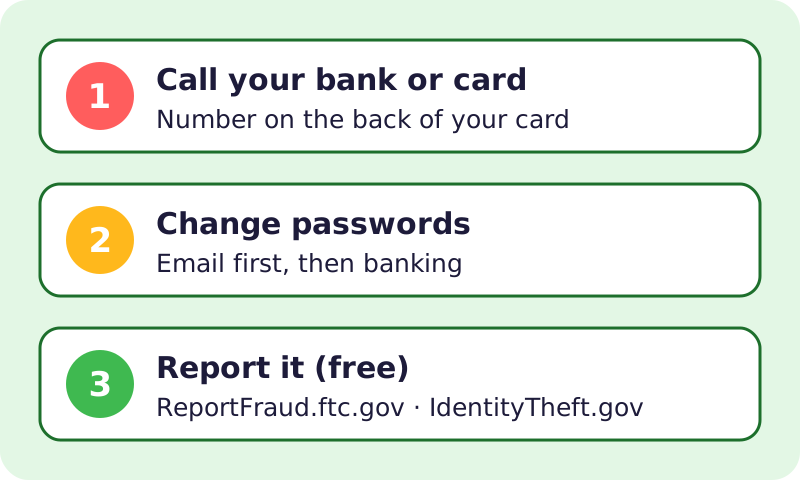
The first three moves, in order. - Call your bank or card company using the number on the back of your card or on their official website. Ask them to stop or reverse the payment and lock the account.
- Paid with a gift card? Call the card company on the number on the back of the card and ask for a refund. Keep the card and receipt.
- Paid by payment app, wire or crypto? Contact that company right away. The FTC's What to do if you were scammed page lists what to say for each way you paid.
Lock down your accounts
- Change the password on your email first (it can reset everything else), then banking and shopping accounts.
- Turn on two-step verification.
- If a scammer was on your computer ("tech support" scams), stop using it for banking until it is checked or reset.
Report it free, with the right office
What happened Where to report (free) Someone used your name, Social Security number or opened accounts IdentityTheft.gov or 1-877-438-4338. You get a personal recovery plan. Any scam, bad business or fraud ReportFraud.ftc.gov Online crime: hacked accounts, online fraud, ransomware IC3.gov (FBI) Scam texts Forward the text to 7726 (SPAM). See the FCC's tips on unwanted calls and texts. 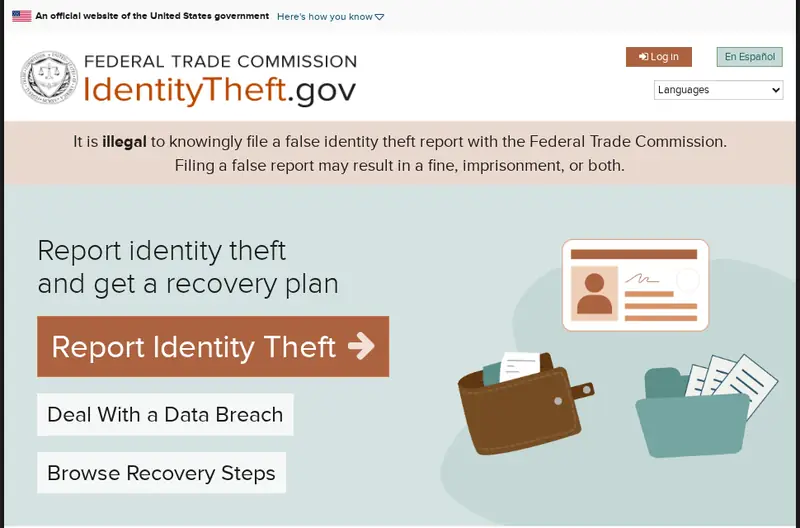
The FTC's official identity theft site. Screenshot of the official page, October 2026. It may look a little different now. Freeze your credit if your identity was stolen
A credit freeze is free and stops new accounts being opened in your name. The FTC explains credit freezes and fraud alerts. Set it up with each of the three bureaus: Equifax, Experian and TransUnion.
Talk to a real person, free
Helpline Who it's for Hours (ET) AARP Fraud Watch Network Helpline: 877-908-3360 Anyone, members or not Mon–Fri 8am–8pm National Elder Fraud Hotline (U.S. Dept. of Justice): 1-833-372-8311 People 60 and older, or someone helping them Mon–Fri 10am–6pm Eastern They listen, explain your next steps and help you report. It's normal to feel embarrassed; scammers fool smart people every day.
Beware the second scam
⚠️ Watch out: After a scam, "recovery" scammers often call or message promising to get your money back for a fee, sometimes pretending to be the FTC, FBI or a lawyer. Government agencies never charge to help you or to get money back. Read the FTC's refund and recovery scams warning. Only use web addresses you type yourself, ending in .gov for government sites.
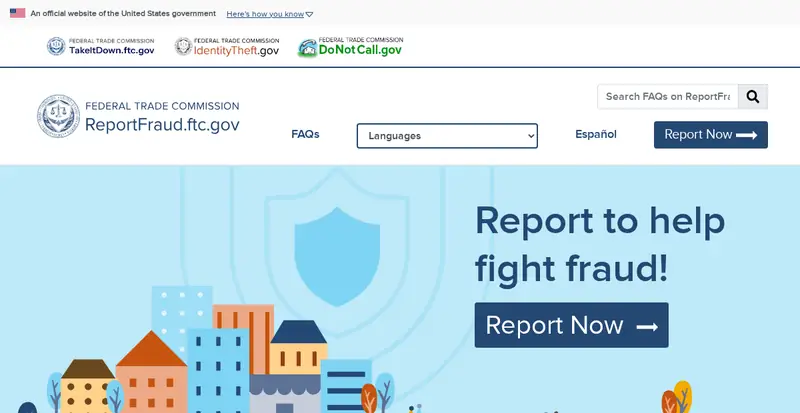
The real FTC fraud-reporting site. Screenshot of the official page, October 2026. It may look a little different now.
Related game: Scam or Legit?. Related explainer: Credit freeze vs. fraud alert: the free way to block identity thieves .